&resMode=sharp2&w=2880&h=900)
&resMode=sharp2&w=2880&h=900)
KEYSTONE BIKE PARK
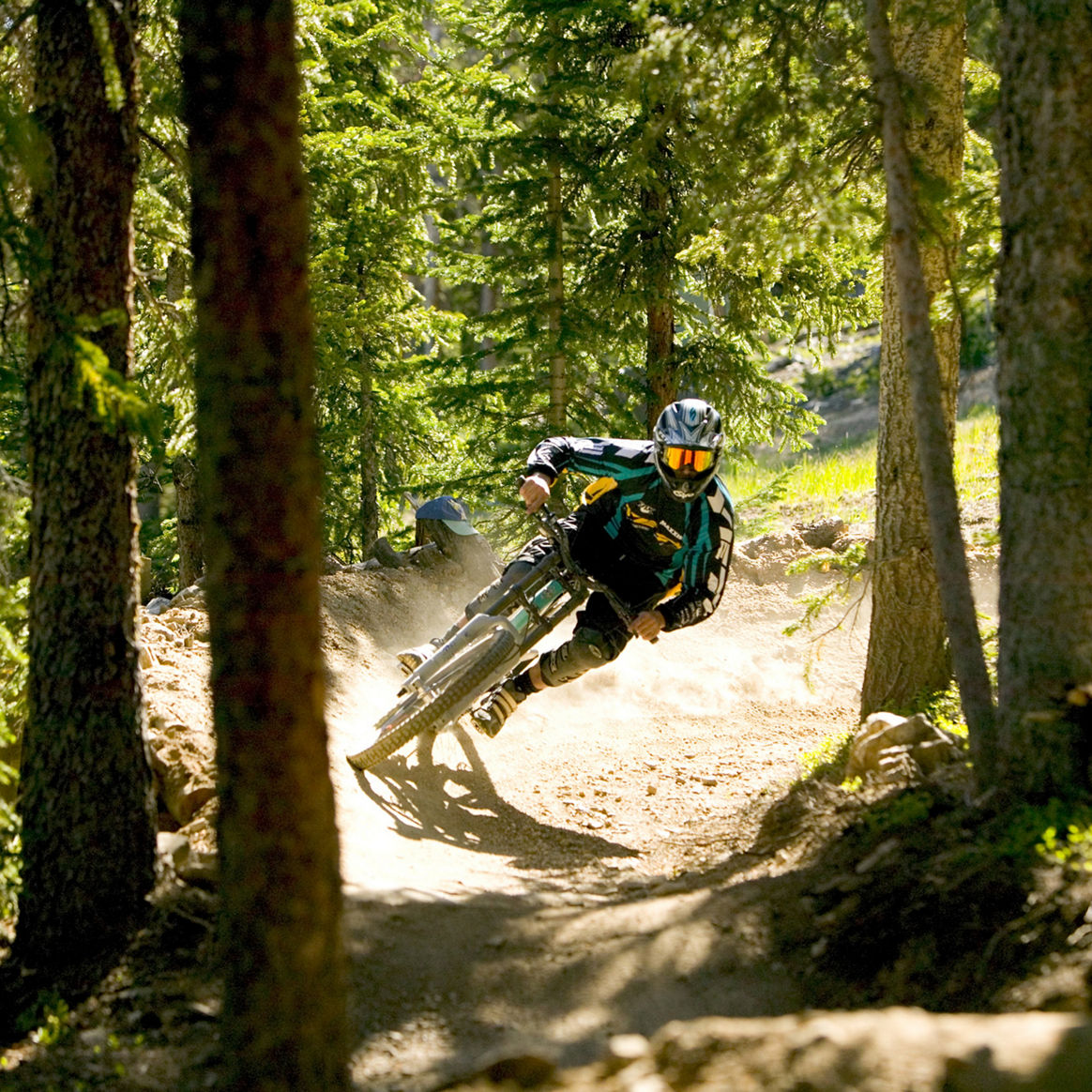
Bike Park is back for summer 2025! Enjoy the thrill of lift-serviced downhill mountain biking, from mellow bridges and berms to rock gardens and drops.

Tickets and Passes
The Keystone Bike Park is truly a downhiller’s dream. Professionally-maintained, progression-focused terrain welcomes riders of all abilities, from the progression park to technical rock gardens, drops, and high-speed features.
Hours of Operation
Dates:
- Opening Day: June 19th
- Closing Day September 21st
Days:
- Open Thursday - Monday - 10:00am - 5:00pm
- Last upload from the base area is at 5:00pm for bike haul (4:30 for foot passengers)
- Closed -Tuesday & Wednesday
Extended weekends only for Biking: Sept 5-7, 12-14, 19-21
*Hours of operations are subject to change & are weather and conditions permitting. Afternoon thunderstorms & extreme weather & wind may affect lift operations.
Approved Equipment
All devices must:
- Have a brake functioning properly for each wheel
- No rim brakes
- Have front suspension
- Have tires inflated to the correct pressure for the rider
- Not impede the operation of the lift system and fit securely in the lift carrier
- Not pose a hazard to the rider or others on the mountain.
Equipment that is not allowed:
- Non-manufactured or homemade units.
- Child accompaniment attachments such as above-wheel seats, trailers, or
backpacks. - Kick-stands.
Please note that when transported in closed cabin lifts, approved Class 1 E-bikes
with Lithium batteries must be transported separately of human occupants.
As a reminder, Class 2 and 3 E-bikes are not permitted in the bike park and will
not be transported on any lift.
Bike Park and Hiking Maps
Explore our terrain with trails ranging from green runs for beginners to double black, extreme trails for our expert riders.